AI Engineering
Remote AI engineering roles exist in higher education
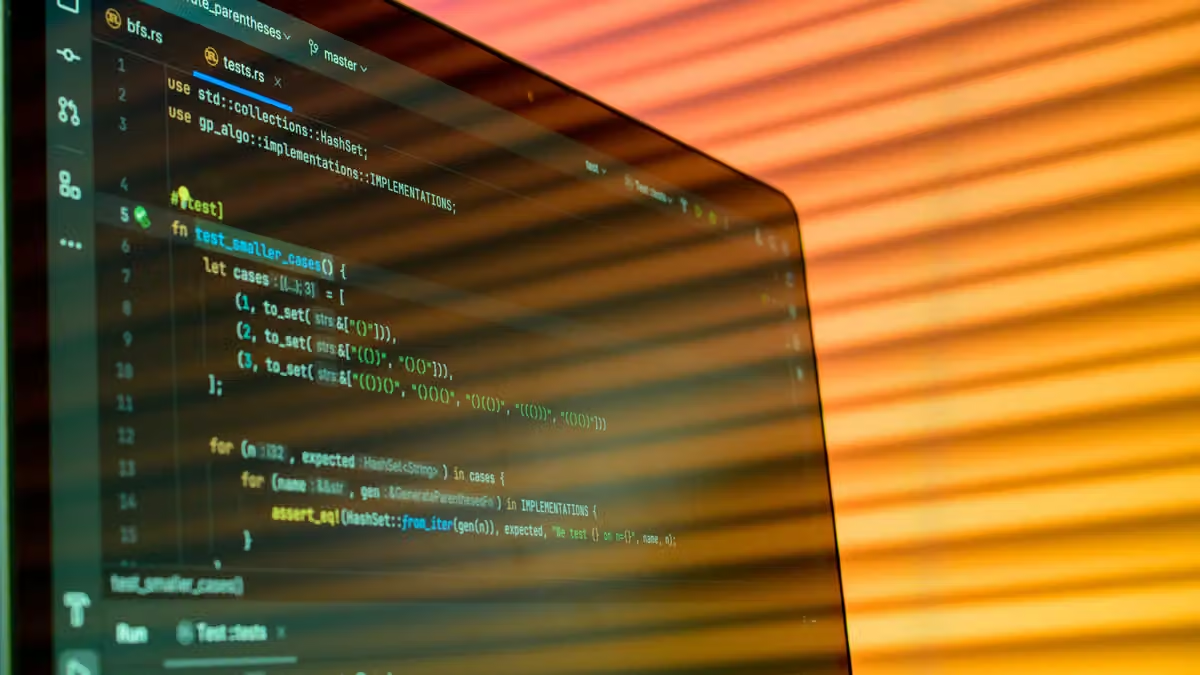
Remote AI engineering roles exist in higher education. The pattern is not rare, and the work is often real engineering, not a loose “AI” label on a vague support job.
I keep coming back to the same point: higher education now hires for machine learning, AI platform, and AI solutions work with remote or hybrid flexibility. Recent role postings from universities and university systems include a remote-option machine learning engineer role at the University of Michigan, a remote AI solutions engineer role at Universities of Wisconsin, and a remote AI engineer role at Iowa State University. That is a clear signal that the category exists in practice, not only in theory.
The work itself is also fairly consistent. These roles usually sit inside IT, data, research, or digital transformation teams. They ask for skills like Python, cloud systems, data pipelines, model deployment, and integration with campus systems such as dashboards, EHR tools, or enterprise APIs. In other words, the job is often less about building a demo and more about making AI work inside a real institution with older systems, strict security rules, and many users.
That matters because higher ed has its own shape. A university is not a startup, and it is not a pure research lab either. It tends to carry both modern cloud tools and older on-prem systems at the same time. So the remote AI engineer often works across mixed setups, with some tasks done in cloud services and others tied to campus networks, shared governance, or local compliance rules.
I think that is the main reason remote work can fit here. The core job is digital, and much of the collaboration already happens through code, tickets, and video calls. If a team can coordinate access, security, and support well, location matters less than for hands-on hardware work or lab work that must happen on site.
But there is an honest limit here. Remote in higher education is not uniform. Some jobs are fully remote, some are hybrid, and some are remote only in name but still tied to campus needs, travel, or specific state and hiring rules. The title may say remote, yet the daily reality can still include time-zone limits, occasional visits, or narrow eligibility based on the institution’s policies.
There is also a second caveat. “AI engineering” in higher ed can mean very different things. One role may focus on model ops and production systems. Another may focus on AI products for students or staff. Another may sit closer to research computing or data science support. The remote label does not remove that spread, so the job description matters more than the headline.
That is why the search phrase “higher ed jobs remote” can lead to real openings, but it needs a careful read. A remote university AI role may be strong for someone who likes stable systems, public mission work, and mixed technical environments. It may be less appealing for someone who wants fast product cycles or very large-scale platform ownership. The trade-off is not good or bad. It is simply different.
I also see a broader hiring pattern behind these listings. Universities now compete for technical talent against private firms, and remote work is one of the tools they use. At the same time, they must protect data, handle procurement, and respect institutional process. That usually makes the hiring process slower and the scope more defined than in some private sector roles.
So the direct answer is simple. Remote AI engineering roles do exist in higher education, and they are showing up in active university postings across machine learning, AI platform, and AI solutions work. The harder part is reading the job closely, because the word remote does not erase the institution’s operational limits or the difference between research support, platform engineering, and product delivery.
For FDE Alliance Brief, that is the useful signal: AI engineering roles, hiring signals, alliance moves, and useful ecosystem research often appear first in the details of live job posts, not in broad claims about the market.
More on: AI Engineering